Table of Contents
If it feels like everything is getting more expensive lately, you’re not imagining it. Across North America, businesses are dealing with rising costs across the board, including a steady increase in operating expenses, and fuel prices are one of the biggest contributors. From small service companies to large fleet operations, the impact is being felt everywhere.
As economic pressure builds, businesses are being forced to rethink how they operate, where they spend, and how they can stay profitable without passing high costs onto their customers.
Fuel Prices Are Climbing — And Staying Volatile
Gas prices have surged again across both the United States and Canada, creating uncertainty for businesses that rely on transportation. Whether it’s delivery vans, service trucks, or long-haul fleets, fuel has become one of the most unpredictable and expensive line items.
Several key factors are driving these increases:
- Global supply disruptions caused by geopolitical tensions
- Seasonal demand spikes, especially heading into warmer months
- Refinery slowdowns and maintenance constraints
- Transportation and distribution costs rising across the board
Even when prices temporarily dip, the overall trend has been upward — and more importantly, inconsistent. That volatility makes it extremely difficult for businesses to plan ahead or budget effectively.
The Real Impact on Businesses
For many companies, fuel isn’t just another expense — it’s a core operational cost. As rising costs continue to put pressure on businesses, increases in gas prices create ripple effects throughout the entire operation.
Here’s what that looks like in real terms:
- A service company making multiple daily stops spends significantly more per route
- Delivery businesses see reduced margins on every order
- Construction and field teams face higher costs just getting to job sites
- Businesses with large fleets experience major increases in monthly overhead
What might seem like a small increase at the pump can quickly translate into thousands of dollars in additional expenses over the course of a month or year.
And fuel isn’t rising in isolation. Businesses are simultaneously dealing with:
- Increased equipment and supply costs
- Higher wages and labor shortages
- Inflation across nearly every category of spending
The result? Tighter margins, tougher decisions, and more pressure to find efficiencies wherever possible.
Why Cutting Costs Isn’t Always the Answer
As rising costs continue to climb, the natural reaction is to cut spending. But for many businesses, there’s only so much you can reduce before it starts affecting performance, service quality, or growth.
Instead of simply cutting back, the smarter approach is optimizing operations — doing more with the resources you already have.
That’s where efficiency becomes critical.
The Role of GPS Tracking in Reducing Fuel Costs
One of the most effective ways to combat rising costs is by improving how vehicles are used. This is where GPS tracking and fleet management solutions come into play.
By implementing a GPS tracking system, businesses can gain real-time visibility into their operations and uncover hidden inefficiencies that are quietly costing money.
"We see it every day. We know what our technology can do, in terms of ROI, just on fuel alone. The realization of just how well GPS and telematics tech can help a business save money on fuel, not only instantly justifies the expense of the system, it can drastically change your bottom line," says Conrad Galambos, President at Trackem GPS.
Here’s how GPS tracking helps reduce fuel expenses:
1. Route Optimization
Instead of relying on guesswork or outdated routes, GPS tracking allows businesses to identify the most efficient paths. Shorter routes mean less fuel consumption and faster job completion.
2. Reduced Idling
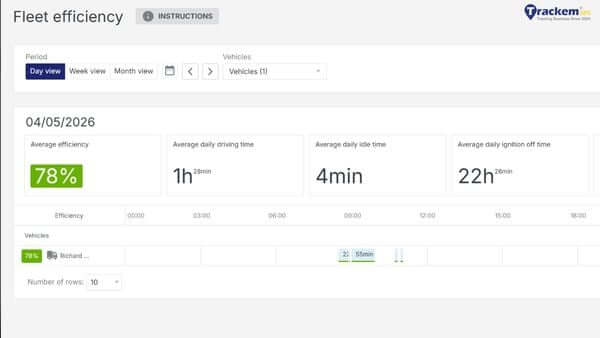
Excessive idling is one of the biggest sources of wasted fuel. With tracking data, businesses can monitor and reduce unnecessary idle time, saving money without changing workload.
3. Improved Driver Behavior
Harsh acceleration, speeding, and inefficient driving habits all increase fuel usage. GPS systems provide insights that help improve driver performance and accountability.
4. Better Dispatching
Knowing exactly where vehicles are allows for smarter dispatch decisions, sending the closest vehicle instead of the most convenient one.
5. Theft Prevention and Asset Protection
Fuel loss isn’t always due to usage. GPS tracking helps protect vehicles and assets from theft, which can otherwise lead to major financial losses.
Over time, these improvements can lead to significant fuel savings — often enough to offset the cost of the tracking system itself.
How Trackem Is Supporting Businesses Right Now
At Trackem, we recognize that businesses are navigating a challenging economic environment. Rising fuel prices, combined with broader inflation and overall rising costs, are putting pressure on operations across the board.
That’s why we’ve made a deliberate decision: we’re lowering our costs to help you manage yours.
Instead of increasing prices like many companies, Trackem is focused on making GPS tracking more accessible and affordable — so businesses can take control of their expenses without adding new financial strain.
Our goal is simple: provide powerful, easy-to-use tracking solutions that help businesses save money, improve efficiency, and stay competitive.
Limited-Time Savings: Trackem’s May Sale
To go even further in supporting our customers, Trackem is currently running a special promotion throughout the entire month of May.
During this limited-time sale, businesses can take advantage of:
- Discounted GPS tracking devices
- Reduced upfront costs to get started
This makes it easier than ever to implement a tracking solution and start seeing immediate benefits.
Whether you’re just starting out or looking to upgrade your existing system, this sale provides an opportunity to invest in efficiency at a lower cost than usual.
Why Now Is the Time to Act
In a stable economy, improving efficiency is a competitive advantage. In a volatile one, it becomes a necessity.
Waiting for fuel prices to drop isn’t a strategy — especially when there’s no guarantee they will stabilize anytime soon.
By taking action now, businesses can:
- Gain control over fuel expenses
- Improve operational visibility
- Increase productivity without increasing workload
- Protect margins in an uncertain market
The sooner these systems are in place, the sooner businesses can start seeing savings.
The Bottom Line
Take advantage of the savings, reduce your fuel costs, and put your business in a stronger position moving forward.
FAQs
Why are fuel prices rising and fluctuating across North America?
Fuel cost volatility is primarily driven by global supply disruptions from geopolitical tensions, seasonal demand spikes during warmer months, refinery slowdowns and maintenance constraints, and increased transportation and distribution expenses across the board.
How do rising fuel costs directly impact field service and fleet operations?
Increases at the pump compound quickly across daily operations. Service companies incur higher costs per route, delivery businesses experience lower margins per order, and field teams face increased expenses traveling to job sites—adding thousands of dollars in monthly overhead.
How does GPS tracking help businesses reduce fuel consumption?
GPS tracking provides real-time visibility to optimize driver routes, minimize excessive idling, curb inefficient driving habits like harsh acceleration or speeding, improve dispatch decisions by sending the nearest vehicle, and protect against fuel or asset theft.
Why is operational optimization better than simply cutting costs during inflation?
Simply slashing budgets can quickly compromise performance, service quality, or growth. Optimizing operations with tools like fleet management allows businesses to do more with their existing resources, uncovering hidden inefficiencies to protect profit margins without cutting essential services.
Plug-In GPS Tracker

$189.95
Most passenger vehicles built after 1996 have an Onboard Diagnostic (OBDII) port, usually located near the steering column. The Trackem OBD GPS Tracker simply plugs into this port, with no wiring required. Harsh driving detection is supported, allowing fleet managers… read more